Tokunbo cars remain one of the most practical ways for Nigerians to own quality vehicles without paying the premium associated with brand-new cars. However, the growing demand for imported used vehicles has also created opportunities for scammers and dishonest sellers.
From rolled-back odometers to fake customs documents and flood-damaged vehicles, many buyers discover problems only after they’ve already paid.
Whether you’re buying your first vehicle or upgrading to a newer model, understanding these common scams can help you make a smarter purchase and avoid costly mistakes.
In this guide, we’ll cover seven common Tokunbo car scams in Nigeria and how to protect yourself before making payment.
Why Tokunbo Car Scams Are So Common in Nigeria
The Tokunbo car market often operates on limited information. Most buyers cannot independently verify a vehicle’s history, mileage, accident records, or import documentation without additional research.
This creates an environment where dishonest sellers can conceal important details and present problematic vehicles as excellent deals.
First-time buyers and buyers under pressure to get a vehicle quickly are often the most vulnerable because urgency can lead to skipped verification steps.
1. Odometer Tampering
Odometer tampering occurs when a seller reduces the recorded mileage on a vehicle to make it appear newer or less used than it actually is.
Lower mileage often commands higher prices, making this one of the most common forms of fraud in the used car market.
How to Avoid It
- Compare the vehicle’s condition to the stated mileage.
- Check wear on the steering wheel, pedals, seats, and gear selector.
- Review vehicle history reports when available.
- Be suspicious if the mileage appears unusually low for the vehicle’s age.
2. Flood-Damaged Vehicles Sold as Clean Cars
Flood-damaged vehicles can appear perfectly normal on the surface while hiding serious electrical, mechanical, and safety issues underneath.
Some sellers clean and repair these vehicles cosmetically without disclosing their history.
Warning Signs
- Musty odors inside the cabin.
- Water stains under floor mats.
- Rust in unusual places.
- Electrical components behaving inconsistently.
- Corrosion under seats or inside the trunk.
How to Avoid It
Inspect the vehicle thoroughly and request any available history documentation before purchasing.
3. Hidden Accident History
Many vehicles imported into Nigeria have previously been involved in accidents.
While not every repaired vehicle is a bad purchase, problems arise when sellers intentionally hide the extent of previous damage.
Warning Signs
- Mismatched paint shades.
- Uneven panel gaps.
- Signs of welding or structural repair.
- Headlights or body parts with different manufacturing dates.
How to Avoid It
Inspect the vehicle in daylight and look carefully for signs of repair work that may indicate a major accident.
4. Fake or Incomplete Customs Documents
Customs documentation is essential when purchasing a Tokunbo vehicle in Nigeria.
Unfortunately, some sellers provide incomplete, altered, or entirely fake paperwork.
This can create legal complications and may expose buyers to future ownership disputes.
How to Avoid It
- Request complete documentation.
- Review paperwork carefully.
- Verify information independently whenever possible.
- Avoid sellers who become defensive when asked questions about documentation.
5. Bait-and-Switch Online Listings
This scam typically starts with an attractive online listing featuring excellent photos and a price significantly below market value.
After making contact, the seller claims the vehicle has already been sold and attempts to redirect you toward another vehicle that is less desirable or more expensive.
How to Avoid It
- Compare pricing against market averages.
- Be cautious of deals that appear too good to be true.
- Confirm vehicle availability before making travel arrangements.
- Avoid paying deposits before seeing the vehicle.
6. Cloned Vehicle Identification Numbers (VINs)
VIN cloning involves using a legitimate VIN from another vehicle to disguise a stolen or problematic car.
Although less common, this scam can create significant legal complications for unsuspecting buyers.
How to Avoid It
- Confirm that the VIN matches across all vehicle locations and documents.
- Check that VIN plates have not been altered.
- Compare documentation carefully before purchase.
7. Deposit and Advance Payment Scams
Many online scammers advertise vehicles that don’t actually exist.
They then request deposits or full payment before allowing inspections.
Once payment is made, communication often stops.
How to Avoid It
- Never pay for a vehicle you haven’t inspected.
- Avoid pressure tactics demanding immediate payment.
- Meet sellers in person whenever possible.
- Use secure and traceable payment methods.
How to Verify a Tokunbo Car Before You Buy
Check the VIN
The Vehicle Identification Number (VIN) serves as the vehicle’s unique identity.
Ensure the VIN matches across all documents and locations on the vehicle.
Review Vehicle History Information
When available, vehicle history reports can reveal accident records, flood damage, title issues, and other important details.
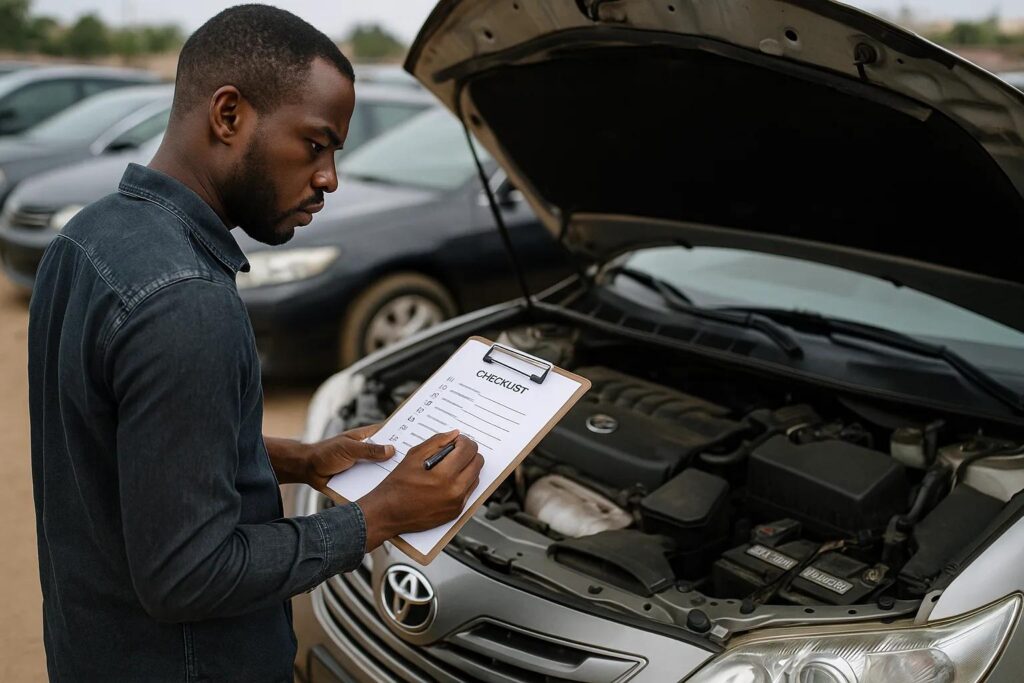
Inspect the Vehicle Thoroughly
At minimum:
- Check the engine.
- Test all electronics.
- Examine the interior.
- Look for rust and water damage.
- Verify lights, air conditioning, windows, and safety features.
Review Documentation Carefully
Ensure all documentation appears complete and consistent before proceeding with a purchase.
Red Flags That Should Make You Walk Away
Pressure Tactics
Statements such as:
- “Someone else is coming this afternoon.”
- “Send a deposit now.”
- “The price is only valid today.”
are commonly used to rush buyers into making emotional decisions.
Sellers Who Avoid Inspection
A seller who refuses a proper inspection or discourages questions should be treated as a serious warning sign.
Unrealistically Low Prices
If a vehicle is significantly cheaper than comparable listings, investigate carefully before proceeding.
Buy from a Trusted Dealer
One of the easiest ways to avoid Tokunbo car scams is to buy from a reputable dealer with a track record of sourcing quality vehicles and providing transparent documentation.
While buyers should always perform their own due diligence, working with a trusted dealership can significantly reduce the risks associated with purchasing from unknown sellers.
A reputable dealer should be willing to answer questions honestly, provide relevant documentation, and guide buyers throughout the purchasing process.
Why Many Buyers Choose Aries Castles
At Aries Castles, we help buyers find quality Tokunbo vehicles sourced through trusted channels.
Our focus is on transparency, professionalism, and helping clients make informed purchasing decisions.
Whether you’re buying your first car, upgrading to a newer model, or searching for a specific make and model, our team works to connect you with vehicles that match your budget and requirements.
We believe buying a vehicle should be exciting—not stressful.
Browse Available Tokunbo Vehicles
Looking for a reliable Tokunbo car?
Aries Castles offers a selection of quality vehicles backed by transparent communication and professional support throughout your purchase journey.
Whether you’re searching for a Toyota, Lexus, Honda, Mercedes-Benz, Hyundai, Kia, or SUV, we can help you find the right vehicle for your needs and budget.
Instead of risking costly mistakes from unverified sellers, work with a dealership that prioritizes trust, transparency, and customer satisfaction.
Get Started Today
Website: Browse Collection
WhatsApp: Chat With Us
Phone: +234-708-986-1578
Frequently Asked Questions
How can I tell if a Tokunbo car has flood damage?
Check for water stains, musty odors, unusual rust, and electrical problems. Flood-damaged vehicles often show signs of corrosion in hidden areas.
Can I verify customs papers before buying a car?
Yes. Buyers should carefully review all documentation and seek independent verification where necessary.
Is it safer to buy from a dealer or a private seller?
Both options can be legitimate, but reputable dealerships typically provide greater accountability, support, and transparency during the purchasing process.
What does “accident-free” mean?
It is a claim made by the seller and should not be accepted without verification. Always inspect the vehicle thoroughly before purchase.
How can I verify a vehicle’s mileage?
Vehicle history records, service records, and physical condition can help identify inconsistencies in reported mileage.
Should I pay a deposit before seeing a car?
In most situations, buyers should avoid paying deposits on vehicles they have not personally inspected or verified.